Heart Failure Research Review, Issue 72, with commentary by Prof Andrew Coats

In this issue:

  • Iron deficiency in HF
  • Contemporary SGLT-2 inhibitor use in HF patients with diabetes
  • Primary care HF service for identifying missed diagnoses of HFREF
  • Renal dysfunction’s impact on cardiac outcomes and end-stage renal disease in HF with mitral regurgitation
  • Weekend vs. weekday admissions for HF, with/without AF
  • Long-term survival and life expectancy following acute HF hospitalisation
  • Efficacy and safety of dapagliflozin in HF according to frailty
  • Iron deficiency and anaemia in ambulatory chronic HF patients

Download Heart Failure Research Review, Issue 72, with commentary by Prof Andrew Coats

ESC (European Society of Cardiology) Congress – 2022, with commentary by Prof John French

In this edition:

  • ADVOR: acetazolamide in acute HF
  • REVIVED: percutaneous revascularisation for ischaemic LV dysfunction
  • Genotype-guided P2Y12 inhibitors reduce ischaemic events post-PCI
  • Meta-analysis of DELIVER and EMPORER-Preserved
  • PACIFIC-AMI: asundexian + DAPT after acute MI
  • ALL-HEART: allopurinol and CV outcomes in ischaemic heart disease
  • SECURE: polypills for secondary prevention
  • PERSPECTIVE: sacubitril/ valsartan and cognitive function in HF
  • TIME: morning vs. evening antihypertensives
  • POST-PCI: routine stress testing after high-risk PCI

Download the ESC_Congress_2022_Conference_Review

Cardiology Practice Review: Issue 23, with commentary by A/Prof John Amerena

In this issue

  • Cardiovascular drug interactions with Paxlovid in COVID-19
  • Myocarditis: Review article
  • Myocarditis following COVID-19 mRNA vaccination of adolescents in Australia
  • Cardiometabolic outcomes after COVID-19 infection
  • Guidelines for ventricular arrhythmias and prevention of SCD
  • Management of ACS in older adults
  • NAFLD and risk of new-onset HF
  • ATAGI guidance on myocarditis/pericarditis after COVID-19 vaccines
  • TGA – new and extended registrations
  • Associations between dietary fibre and CV risk factors
  • Association of gestational diabetes with CV and cerebrovascular diseases
  • COVID-19 resources
  • Conferences, workshops and CPD

Download the Australian Cardiology Practice Review: Issue 23  here

Prevalence and prognostic impact of tricuspid regurgitation in patients with cardiac implantable electronic devices

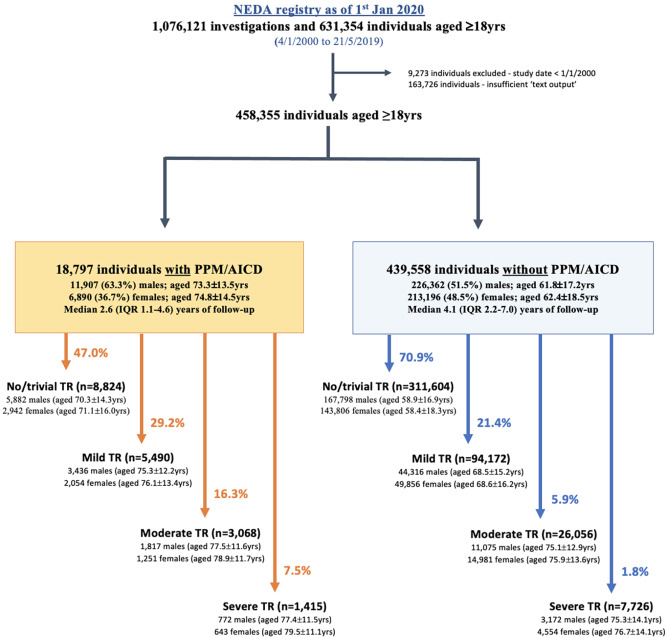
Prevalence and prognostic impact of tricuspid regurgitation in patients with cardiac implantable electronic devices: From the national echocardiography database of Australia

The prevalence and prognostic impact of tricuspid regurgitation (TR) in patients with a cardiac implantable electronic devices (CIEDs) is not well understood. This month in IJC [1] we published the results of the largest retrospective study on the subject to-date using the National Echo Database of Australia (NEDA). We found that moderate or greater TR is prevalent (23.8%) and 2-fold greater than in those without devices. Furthermore, moderate and severe CIED-associated TR was associated with a 1.6 to 2.5-fold increase in all-cause mortality. The association of CIED-related TR with a poor prognosis was also especially pertinent in younger individuals. With an ageing population and expanding indications for life-saving device-therapy, these findings highlight the need for close follow-up of patients with device therapies and for clinicians to be cognisant of the potential adverse consequences of CIED-associated TR.

Sophie Offen, Geoff Strange, David Playford, David Celermajer and Simon Stewart.

[1.] Offen S, Strange G, Playford D, Celermajer DS, Stewart S. Prevalence and prognostic impact of tricuspid regurgitation in patients with cardiac implantable electronic devices: From the national echocardiography database of Australia. International Journal of Cardiology 2022. https://www.sciencedirect.com/science/article/abs/pii/S0167527322016710

RACP 2023 CPD Framework | Note: Important Changes

Please note the important changes to the CPD activities physicians will need to complete from 1 January 2023, as directed by the Medical Board of Australia and Medical Council of New Zealand (MCNZ) | Te Kaunihera Rata o Aotearoa.

WATCH THE VIDEO (right) as Prof Martin Veysey, Chair of the RACP’s CPD Committee, explains the changes. 

READ MORE about the new requirements on the RACP website and find CPD resources and templates in the MyCPD Interactive Handbook.

JOIN THE WEBINAR: 2023 MyCPD Framework with Q&A on Tuesday 22 November 2022. Discuss the upcoming changes and what they mean for you. Time: 5pm – 6pm AEDT / 7pm – 8pm NZDT. Register now.

If you have any queries or would like to contribute to the developing the College’s resources, then email the relevant location here.  [email protected]  /  [email protected] 

Heart Failure Research Review, Issue 71, with commentary by Dr Mark Nolan

In this issue:

  • Dapagliflozin in HF with mildly reduced or preserved EF
  • Acetazolamide in acute decompensated HF with volume overload
  • Association of empagliflozin treatment with albuminuria in HF patients
  • Hyperkalaemia as a cause of MRA undertreatment in HF
  • Riociguat for pulmonary hypertension with HFPEF
  • Transvenous right greater splanchnic nerve ablation in HFPEF
  • Stem cell-derived extracellular vesicles reduce expression of cardiac hypertrophy molecules
  • Periodontal status, CRP, NT- proBNP and incident HF
  • Alerting clinicians to 1-year mortality risk in patients hospitalised with HF
  • Uric acid and SGLT-2 inhibition with empagliflozin in HFREF

Download the Heart Failure Research Review Issue 71

Posts navigation