Allied Health, Science and Technology Council : Challenges of providing services to remote communities.

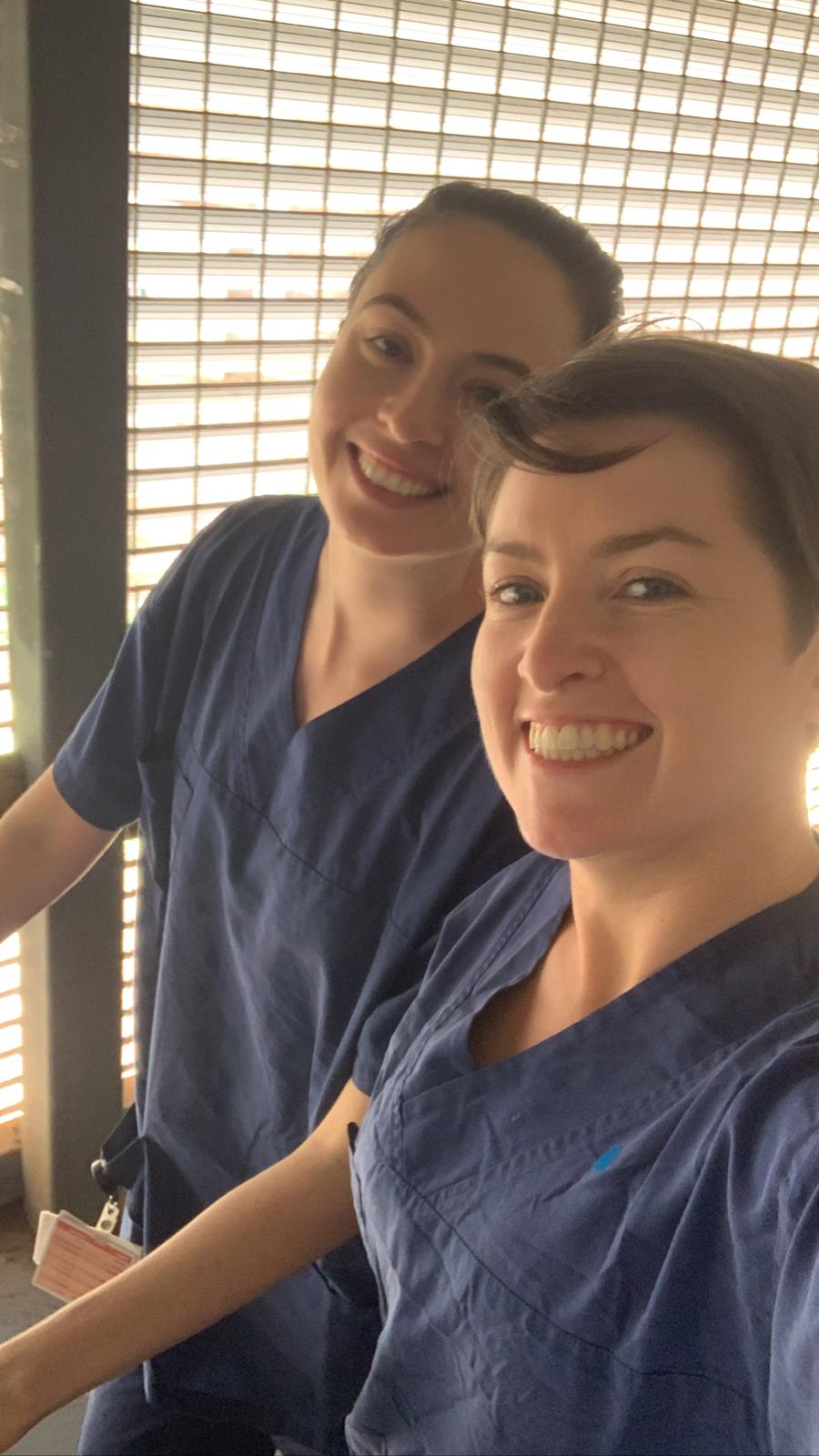
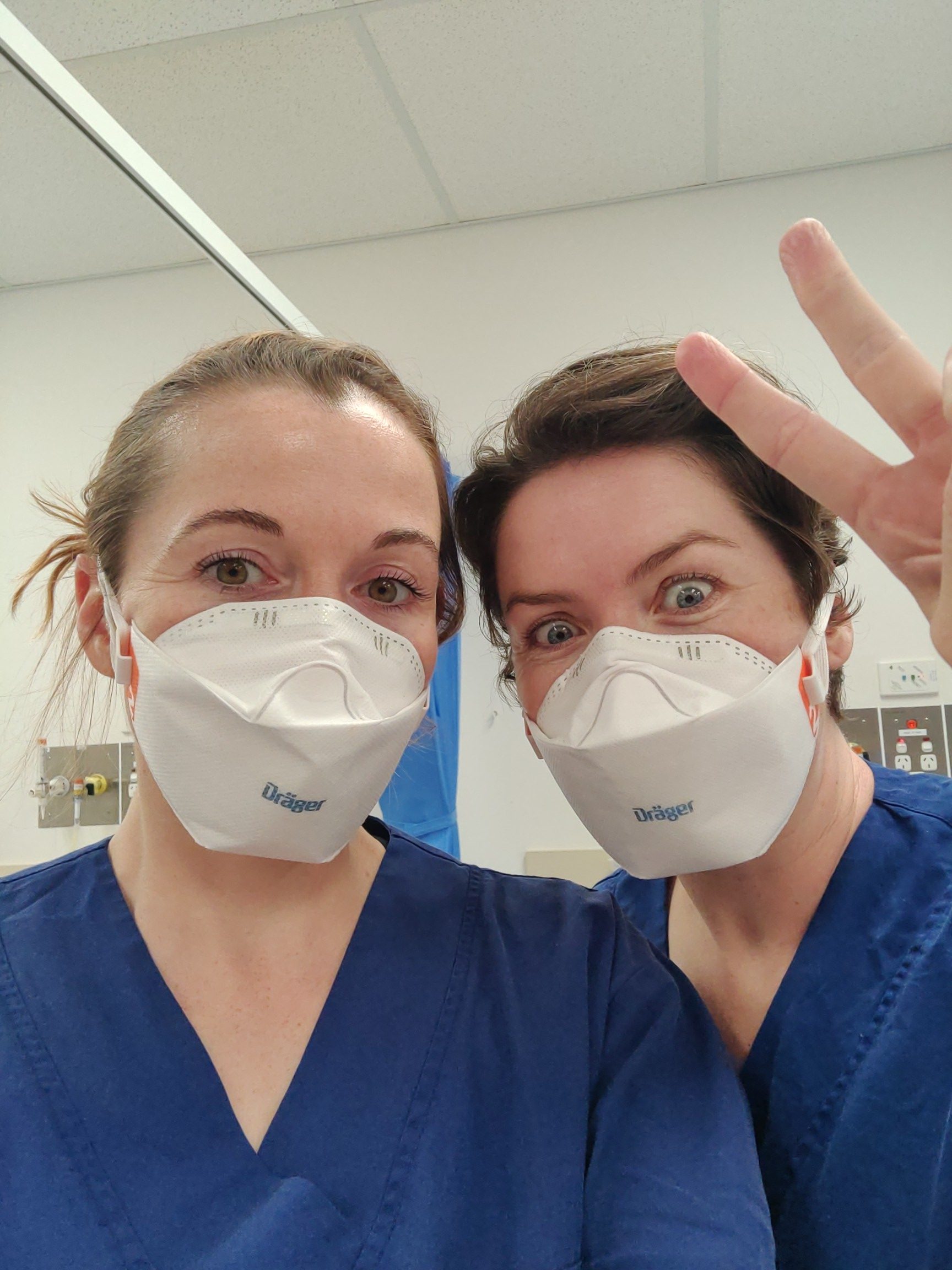
Hi there, we are Julie and Ciara and we represent the Northern Territory on the Executive of the Allied Health, Science and Technology Council of CSANZ. We both hail from Ireland, completing our BSc in Clinical Measurement Science in 2009 and 2012 respectively. Julie moved to Darwin in 2012, Ciara followed in 2016. We both completed International Board of Heart Rhythm Examiners certification in Ireland, and in Australia, Julie continued her studies to specialise in Echocardiography and Ciara specialised in Electrophysiology.

Since arriving in the Territory, we have both worked for NT Cardiac at Darwin Private Hospital (DPH), as Cardiac Physiologists. NT Cardiac services both private and public patients, across DPH as well as Royal Darwin Public Hospital. DPH has a Catheterisation Lab, where up to five pacemaker / defibrillator devices are implanted per week. Up until very recently, we had a dedicated day for Electrophysiology studies and ablations (Radiofrequency, Cryoablation and 3D Mapping). Unfortunately, this service is temporarily suspended as there is no Electrophysiologist available in the NT.

As part of our role, we service over 25 remote NT communities as part of a multidisciplinary team, consisting of a cardiologist, registrar, cardiac nurse, sonographer and sometimes a pacing trained Cardiac Physiologist. We have assisted with the implementation of new Cardiac Physiologist-led remote pacing clinics, designed to provide a greater level/continuity of service to patients and to ease the burden on the cardiologists on their one or two day remote trips.

Remote clinics present many challenges, some unavoidable. Many communities are often cut off from larger clinics in Darwin for months at a time during the wet season due to flooding. The larger community clinics like Katherine or Nhulunbuy are visited multiple times a year by the multidisciplinary team, however, some more remote clinics might have only 1 visit per year. As a result, providing optimal cardiac management to these patients can be difficult, compounded by the fact that some patients live in different communities depending on the season (wet versus dry season). Our visits sometimes coincide with funerals, cultural ceremonies or sorry business in the local community, which we always try our best to work around.  

To accommodate these challenges, we schedule our pacing patients on a six monthly basis. Ciara has set up a list of patients at each community, and we aim to ensure at least yearly follow-up. Some patients are provided with home monitors at implant or follow-up, this enables us to receive data from remote locations to save medivac flights to Darwin. Remote community patients often lack access to Wi-Fi, often have limited mobile phone signal or access to mobile phones, and possibly intermittent electricity. For this reason, the majority of remote patients have their home monitors left permanently in the community clinic to send information to our clinic in Darwin. This puts added pressure on local dedicated staff that are already extremely busy, but these home monitors become highly useful in the case of emergencies.
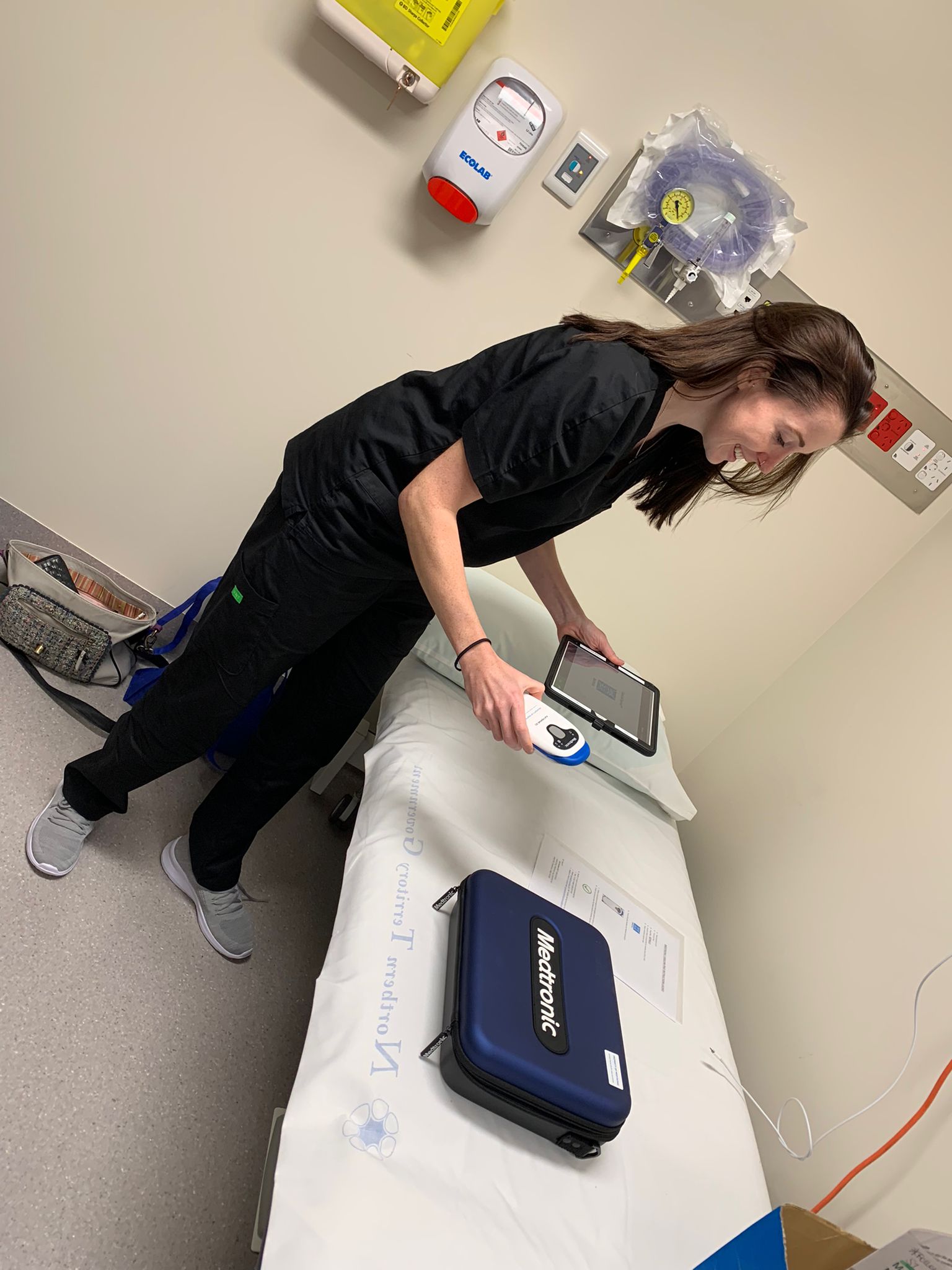
Providing echocardiography services to these patients also comes with its challenges. There can be limited facilities available at some clinics, with a lack of adjustable beds and adjustable trolleys for the echo machines. Room availability can be an issue, as there can be multiple visiting teams at the clinic at the one time. We scan a high volume of difficult pathology patients, for example double and triple valve replacements, all of whom are scanned on a portable machine. Patients can often be quite reluctant to come to Darwin, so these echoes in community are potentially their only follow-up scans.

Despite the challenges, the Territory provides a hugely rewarding and unique working experience for allied health professionals. Our remote trips are a wonderful way to experience the NT and to see Territory life from a very different perspective and are a great opportunity to get to know your working team. It provides us with a great opportunity to try to improve systems, protocols and procedures, and therefore make a real impact to healthcare for our patients who live remotely.

Ciara Devoy, Cardiac Physiologist Julianne Pfister, Sonographer

Article recently published in the April On the Pulse – read in full here.

More Clinical Cases

Fun with HF

Alex Dashwood, 22 February 2022

Read more


Your opinion is sought…

Mr A is a 72 year old who had a dual chamber permanent pacemaker implanted five years previously for symptomatic sinus node dysfunction – syncope with documented sinus pauses of 3-5 seconds duration…

Read more


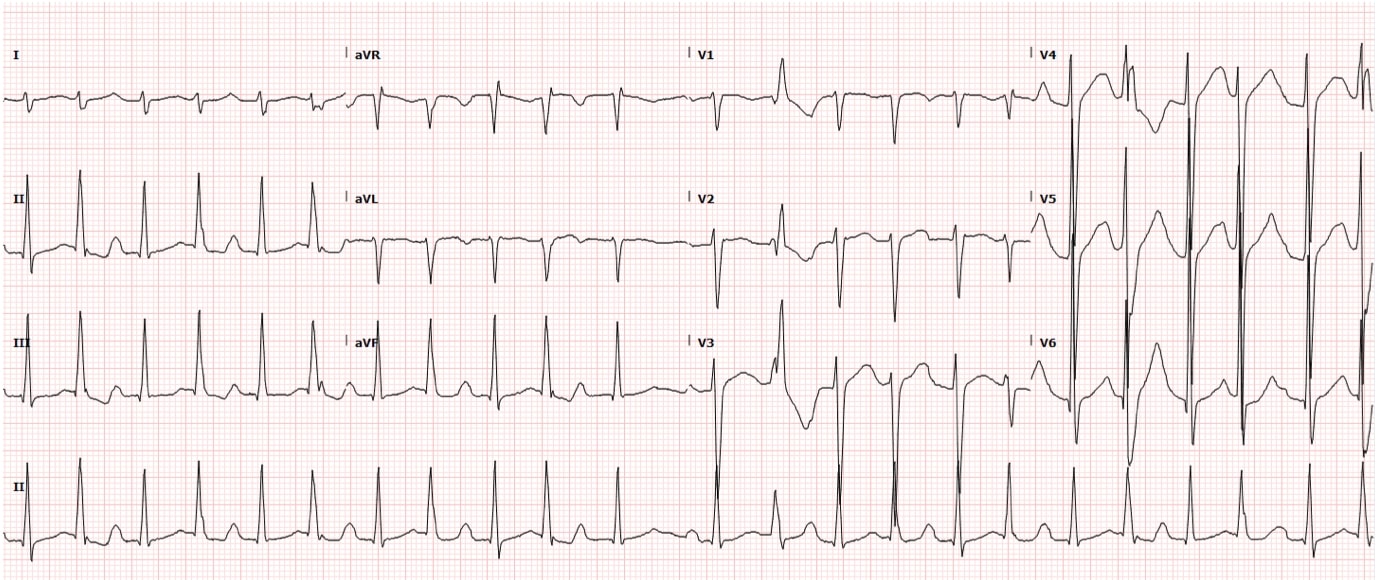
Is this AF?

A 58 year old man presents with syncope. LV function is normal.
What is the rhythm?
Alex Voskoboinik February 2022

Link to CSANZ Forum to discuss and find the answer

More Journal Articles

Pulmonary Hypertension in Aortic Regurgitation

Pulmonary hypertension (PHT) is known to complicate left heart diseases (LHD) including left sided valvular pathologies such as aortic regurgitation (AR). Patients with significant AR have an increased risk of death, even if they do not have symptoms, so identifying variables which predict adverse outcomes is important. PHT is thought to develop in AR due to left ventricular volume overload which eventually leads to increases in left atrial pressure and the development of post-capillary PHT.
Read more

Summary by Dr Seshika Ratwatte

Cardiovascular Nursing and Climate Change: a call to action from the CSANZ Cardiovascular Nursing Council

Published in Heart, Lung and Circulation, with summary by Prof Rochelle Wynne.

Read more

Exertional breathlessness is one of the commonest symptoms leading to visits to a cardiologist.

Among the myriad of causes of breathlessness, pulmonary hypertension (PH) is important and frequently under-recognised.
Our latest article on this subject was led by Dr Pyi Naing FRACP, published in the Internal Medical Journal

Read more

Prevalence and prognostic impact of tricuspid regurgitation in patients with cardiac implantable electronic devices…

Published in International Journal of Cardiology, with summary by Sophie Offen.    

Read more

The carbon footprint of hospital diagnostic imaging in Australia

Published in The Lancet, with summary by Dr Scott McAlister and Prof Alexandra Barratt.

Read more

Outcomes of Thrombus Aspiration During Primary Percutaneous Coronary Intervention for ST-Elevation Myocardial Infarction

Now available online at Internal Medicine Journal.
Summary by Kevin Rajakariar 15 June 2022.
Read more

Cryoablation of Papillary Muscles at Surgery for Malignant Ventricular Arrhythmias Due to Mitral Valve Prolapse

Published in Heart Lung and Circulation, 10 June 2022 
Summary by Jitendra Vohra, Joseph B. Morton, John Morgan, James Tatoulis.
Read more

Specialists keen for further cardio-oncology services and education

Published in Internal Medicine Journal, with summary by Prof Kazuaki Negishi, 24 April 2022
Read more


Prediction of Pacemaker Requirements in Patients with Unexplained Syncope: the DROP Score

Xiaoman Xiao et al, Heart, Lung and Circulation
Summary by co-author Alex Voskoboinik,
31 March 2022
Read more

IMPACT for Suspected ACS in ED: An Appropriate Pathway for Aboriginal and Torres Strait Islander patients too

Louise Cullen et al, published in Heart Lung and Circulation.  
Summary by Paul Bridgman, 23 March 2022.
Read more

Heart attack awareness in Australian masters football players

Published by Internal Medicine Journal 15 March 2022.
Summary by Paul Bridgman.
Read more

Statin side effects are largely nocebo

By Paul Bridgman, 22 February 2022
Read more

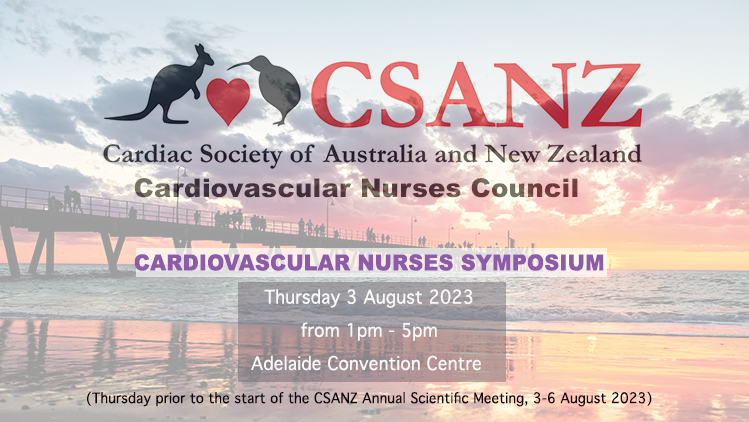
CSANZ Cardiovascular Nurses Symposium 2023

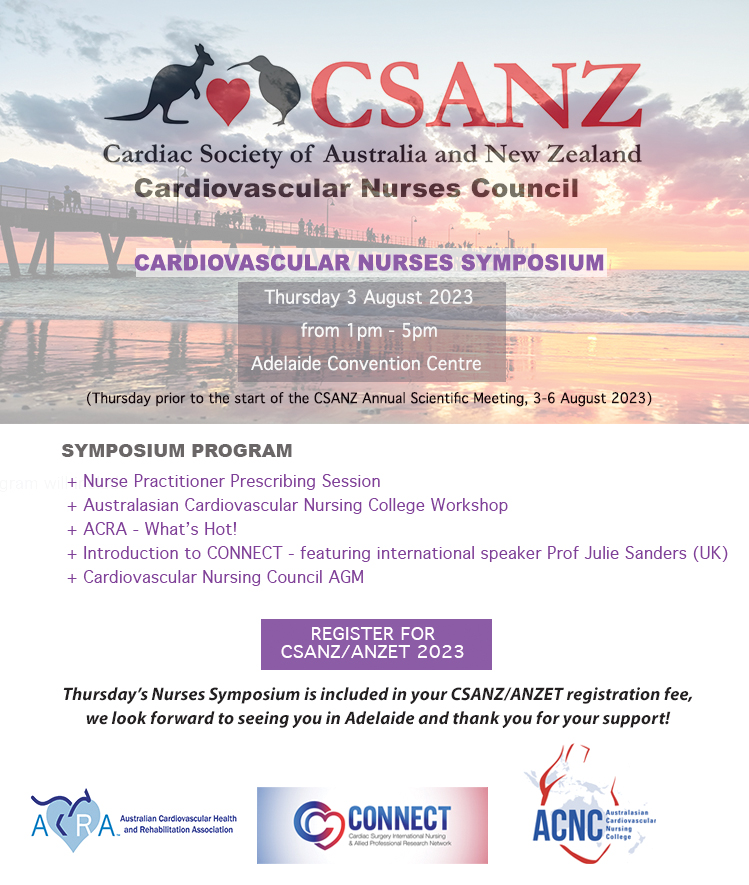
We are thrilled to be presenting a new format for the CSANZ Cardiovascular Nurses Symposium 2023. This year we invite you to a combined session with invited speakers from ACNC, CONNECT and ACRA ~ a collaborative Nurses Symposium.  See the program above, there’s something for everyone, and closing with the 2023 Cardiovascular Nursing Council AGM.

Don’t forget CSANZ MEMBERS can enjoy the benefit of a REDUCED REGISTRATION FEE  for the CSANZ ASM or the combined Meeting registration with ANZET2023.

See invitation above or download here (pdf)

csanzasm.com          anzet.com.au

CARDIOVASCULAR NURSING E-NEWS May 2023

Welcome to our first Cardiovascular Nurse e-News for 2023

Dr Nilufeur McKay

As Chair of the CSANZ Cardiovascular Nursing Council, I am delighted to share news about recent and upcoming events to get involved in.

Firstly, the CSANZ NZ ASM is to be held at the AOTEA Centre in Auckland, from 24 – 26 June 2023 – read more about their program here

Excited to announce there’s a new format for this year’s CSANZ CVN Symposium, to be held in the afternoon of Thursday 3 August, prior to the CSANZ Annual Scientific Meeting in Adelaide.  This year we will be presenting a joint meeting with speakers from ACNC, CONNECT and ACRA. We ask for your support by joining us for this unique Symposium – put it in the diary now!

If you haven’t registered for the CSANZ ASM – don’t forget to nab your early-bird registration before closing on 5 June 2023. CSANZ ASM Register here.

I am also pleased to share with you some very exciting achievements by fellow nurses including the Spotlight on Dr Nilufeur McKay, WA, share latest journal publications, who to look out for at ACNAP in June, and the CSANZ ASM in August plus links to other interesting articles.

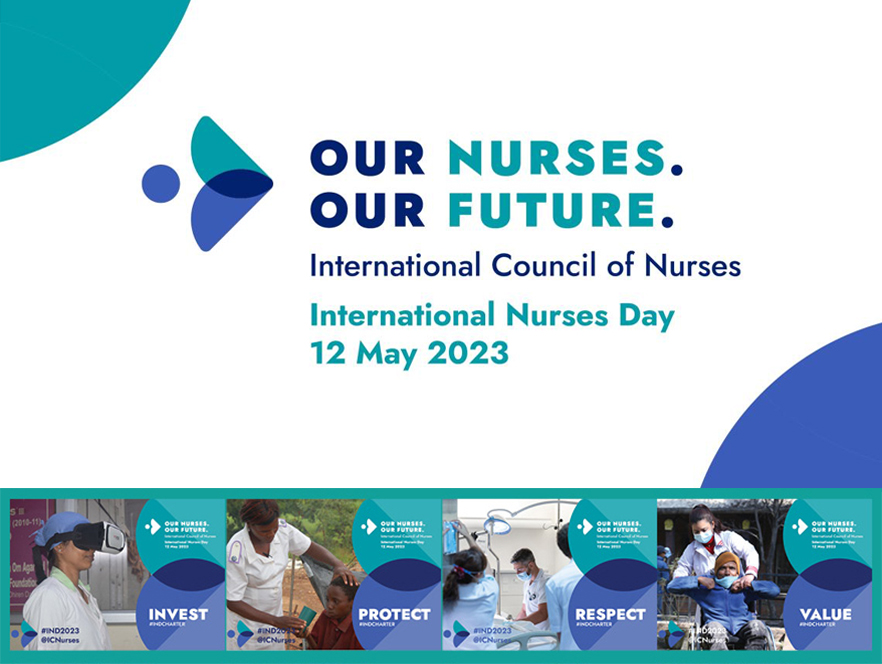
Last Friday 5 May, marked International Day of the Midwife. The theme this year was ‘Together again: from evidence to reality’ and of course, today, is International Nurses Day. We hope the celebration is special for you, and that Our Nurses Our Future campaign will shine the light on nurses and on a brighter future for all. Don’t forget to share the hashtag #IND2023 far and wide!

Take care, stay safe and we look forward to seeing you in Adelaide for the CSANZ Nurses Symposium, the CSANZ ASM, the ANZET ASM, but most importantly to be able to meet you and catch up face to face in August.

See you there,

Caleb Ferguson

Chair, CSANZ Cardiovascular Nursing Council
Associate Professor & NHMRC Emerging Leadership Fellow,
University of Wollongong and Western Sydney Local Health District. 

Posts navigation